

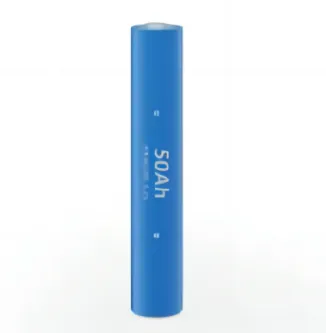
3.2V50Ah Li Ion Cylindrical Cell
A lithium cylindrical cell is a type of rechargeable battery commonly used in portable electronic devices such as laptops, smartphones, and tablets. It is called cylindrical because it has a cylindrical shape, similar to an AA or AAA battery. The li-ion technology uses lithium ions to move between the anode and cathode, producing electricity.
Product Introduction
A lithium cylindrical cell is a type of rechargeable battery commonly used in portable electronic devices such as laptops, smartphones, and tablets. It is called cylindrical because it has a cylindrical shape, similar to an AA or AAA battery. The li-ion technology uses lithium ions to move between the anode and cathode, producing electricity. Li-ion cylindrical cells have a high energy density, long lifespan, and low self-discharge rate, making them popular in many applications.
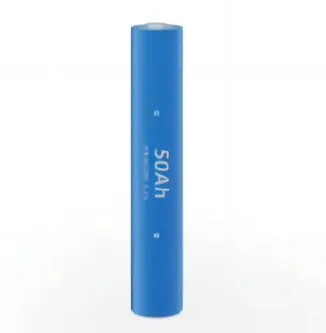
Specification
|
Product model |
IFR46250 |
|
Capacity |
50 Ah |
|
Charging/discharging rate |
1C |
|
Cycle life |
≥4000 |
|
Chemistry |
LFP |
|
Charging Temperature |
0~55℃ |
|
Discharging Temperature |
-20-60℃ |
|
Applications |
residential solution, EV battery |
Cylinder cell VS Prismatic cell
Cylinder cells and prismatic cells are two common types of lithium-ion battery formats, each with its own advantages. Here are the key advantages of cylinder cells compared to prismatic cells:
1.Thermal Management:
- Better Heat Dissipation: Cylinder cells have a smaller surface area to volume ratio, allowing better heat dissipation, which is crucial for maintaining cell performance and longevity.
- Uniform Temperature Distribution: The cylindrical shape allows for a more uniform temperature distribution within the cell, reducing the risk of hotspots.
2.Mechanical Stability:
- Robust Design: The cylindrical shape is inherently strong and can withstand higher physical stresses and pressures without deforming, making them less susceptible to damage from physical shocks.
- Pressure Relief: Many cylindrical cells are designed with built-in mechanisms to relieve internal pressure, enhancing safety.
3.Manufacturing Efficiency:
- Mature Manufacturing Process: The production process for cylindrical cells is well-established and standardized, leading to consistent quality and lower production costs.
- High Automation: The manufacturing process for cylindrical cells is highly automated, leading to higher production rates and lower labor costs.
4.Modularity:
- Scalability: Cylinder cells are easier to arrange in various configurations (series and parallel) to achieve the desired voltage and capacity, providing flexibility in battery pack design.
- Replacement and Maintenance: Individual cells in a cylindrical cell pack can often be replaced more easily compared to prismatic cells, facilitating maintenance and repair.
5.Energy Density:
- Improved Energy Density: Advances in technology have led to high energy density in cylindrical cells, making them competitive with prismatic cells in terms of energy storage per unit volume.
6.Market Availability:
- Wide Availability: Due to their widespread use in consumer electronics and electric vehicles, cylindrical cells are readily available in the market, with a variety of options to suit different needs.
However, it's important to note that prismatic cells have their own set of advantages, such as better space utilization in certain applications and potentially higher energy density per cell. The choice between cylindrical and prismatic cells depends on the specific requirements of the application, including factors like size, weight, energy density, thermal management, and cost.
Hot Tags: 3.2v50ah li ion cylindrical cell, China 3.2v50ah li ion cylindrical cell manufacturers, suppliers, 3 2V20Ah Cylindrical Lithium Battery, Cylindrical Battery Cell, 3 2V50Ah Li Ion Cylindrical Cell
You Might Also Like



Send Inquiry
