

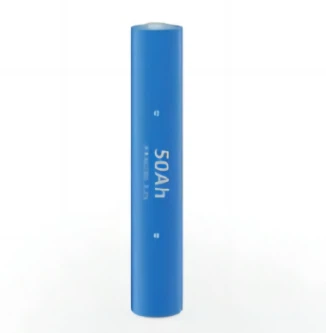
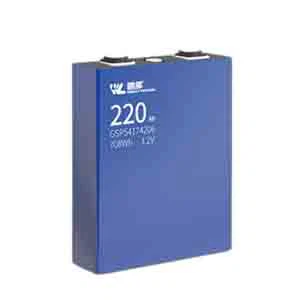
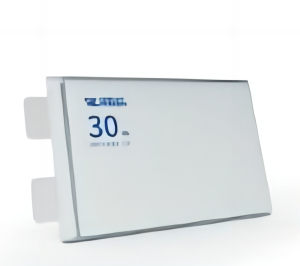
A Lithium Battery Cell is a type of rechargeable battery that uses lithium ions as the primary component for its electrochemical reaction. It consists of a cathode, an anode, a separator, and an electrolyte, all enclosed in a metallic casing. The lithium-ion cells are known for their high energy density, low self-discharge, and long cycle life, making them ideal for use in portable electronic devices like smartphones, laptops, and electric vehicles. Lithium batteries are becoming increasingly popular as a power source due to their high efficiency and reliability.
Benefits of Lithium Battery Cell
High Energy Density
Lithium batteries have a very high energy density, meaning that they can store a lot of energy for their weight and size. This makes them ideal for use in portable electronic devices, such as smartphones and laptops.
Long Cycle Life
Lithium batteries have a longer cycle life than other types of batteries, which means that they can be recharged and discharged many times without losing their capacity. This also makes them more cost-effective in the long run.
Low Self-Discharge Rate
Lithium batteries have a very low self-discharge rate, which means that they can hold their charge for a long time even when not in use. This makes them ideal for use in backup power systems and emergency equipment.
Eco-Friendly
Lithium batteries are more eco-friendly than other types of batteries because they contain less harmful chemicals and are easier to recycle. This helps to reduce their impact on the environment.
Fast Charging
Lithium batteries can be charged much faster than other types of batteries, which makes them more convenient for use in portable devices that need to be charged quickly.
High Voltage
Lithium batteries have a higher voltage range, allowing them to deliver better output even under heavy loads.







Why Choose Us
Customer Satisfaction
We are committed to delivering high quality services that exceed our clients' expectations. We strive to ensure that our clients are satisfied with our services and work closely with them to ensure their needs are met.
Quality Assurance
We have a rigorous quality assurance process in place to ensure that all our services meet the highest standards of quality. Our team of quality analysts checks each project thoroughly before it is delivered to the client.
One-stop service
We promise to provide you with the fastest reply, the best price, the best quality, and the most complete after-sales service.
Competitive Pricing
We offer competitive pricing for our services without compromising on quality. Our prices are transparent, and we do not believe in hidden charges or fees.
What are the components of a lithium-ion cell
Electrodes
The positively and negatively charged ends of a cell. Attached to the current collectors
Current collectors
Conductive foils at each electrode of the battery that are connected to the terminals of the cell. The cell terminals transmit the electric current between the battery, the device and the energy source that powers the battery
Separator
A porous polymeric film that separates the electrodes while enabling the exchange of lithium ions from one side to the other
Anode
The negative electrode
Cathode
The positive electrode
Electrolyte
A liquid or gel that conducts electricity
How does a lithium-ion cell work
In a lithium-ion battery, lithium ions (Li+) move between the cathode and anode internally. Electrons move in the opposite direction in the external circuit. This migration is the reason the battery powers the device—because it creates the electrical current.
While the battery is discharging, the anode releases lithium ions to the cathode, generating a flow of electrons that helps to power the relevant device.
When the battery is charging, the opposite occurs: lithium ions are released by the cathode and received by the anode.
What makes lithium-ion batteries good for mobile technologies
It’s simple. lithium-ion batteries have the highest charge density of any comparable system. This means they can give you a ton of energy without being very heavy.
This is for two reasons. First, lithium is the most electropositive element. Electropositivity is a measure of how easily an element can donate electrons to produce positive ions. In other words, it’s a measure of how easily an element can produce energy. Lithium loses electrons very easily. This means it can easily produce a lot of energy.
Lithium is also the lightest of all metals. As you’ve learned, intercalation materials are used as electrodes in lithium-ion batteries instead of actual lithium metal. Still, these batteries weigh much less than other types of batteries that use metals like lead or nickel.


How a lithium-ion battery charges and discharges
As their name suggests, lithium-ion batteries are all about the movement of lithium ions: the ions move one way when the battery charges (when it's absorbing power); they move the opposite way when the battery discharges (when it's supplying power):
During charging, lithium ions (yellow circles) flow from the positive electrode (red) to the negative electrode (blue) through the electrolyte (gray). Electrons also flow from the positive electrode to the negative electrode, but take the longer path around the outer circuit. The electrons and ions combine at the negative electrode and deposit lithium there.
When no more ions will flow, the battery is fully charged and ready to use.
During discharging, the ions flow back through the electrolyte from the negative electrode to the positive electrode. Electrons flow from the negative electrode to the positive electrode through the outer circuit, powering your laptop. When the ions and electrons combine at the positive electrode, lithium is deposited there.
When all the ions have moved back, the battery is fully discharged and needs charging up again.
What Is The Difference Between A Lithium Battery And A Regular Battery
A typical lithium-ion battery pack looks the same as a regular battery pack, but their difference lies in battery safety and battery performance. Lithium-ion batteries have a higher energy density than regular batteries, which means they are capable of holding greater energy in the same battery size.
The better performance can sometimes lead to safety concerns like releasing the stored energy in an explosive manner. In addition to that, rechargeable li-ion batteries have a low self-discharge rate, much less than other kinds of rechargeable batteries, which contributes to its better battery life.
You cannot recharge regular batteries like the li-ion battery. Also, the lithium-ion battery has a high working voltage, so it is suitable for portable electronic devices like MP3, digital cameras, mobile phones, and many more.

What Are The Different Types Of Lithium Batteries
Yes, electronics use lithium batteries, but they do not all use the same type because each device has a battery that is compatible with it.
We will be looking into six different types of lithium batteries. The many types of lithium batteries depend on chemical reactions and specific unique materials to store energy. The following are the lithium battery types we have;
Lithium Titanate
Unlike other chemistries, these batteries substitute the graphite in the anode with lithium titanate and utilize NMC or LMO as the cathode chemistry. This creates a battery that has a faster charging process and a longer life.
Lithium Nickel Cobalt Aluminum Oxide
These batteries have a long life cycle and deliver high specific energy with an appropriate specific power. Typically, they can maintain the delivery of large amounts of current for longer times.
Lithium Nickel Manganese Cobalt Oxide
This type of battery pack has three elements as its cathode materials (cobalt, manganese, and nickel). Manganese has a low specific energy, but it is extremely stable, while nickel has high specific energy but is not stable. So, the combination of these two creates stable chemistry with a high specific energy.
Lithium Manganese Oxide (LMO)
This battery has lithium manganese oxide as its cathode material. With this chemistry, it is able to create a 3-d structure that increases current handling, lowers internal resistance, and bolsters ion flow, all while increasing thermal stability and safety.
Lithium Cobalt Oxide
The lithium cobalt oxide battery has low specific power and high specific energy. This implies that they can operate and deliver power for long periods but are limited when it comes to high-load applications.
Lithium Iron Phosphate
The lithium iron phosphate (lifepo4) battery utilizes a graphitic carbon electrode as the anode and phosphate as the cathode material. These batteries have longer-lasting life, good electrochemical performance, and thermal stability.
Application of Lithium Battery Cell
Consumer electronics
Lithium batteries are commonly used in smartphones, laptops, tablets, and other portable electronic devices due to their lightweight, compact size, and high energy density.
Electric vehicles
Lithium batteries are used as a power source in electric vehicles (EVs) due to their high energy density and long lifespan. They offer greater range and reliability than traditional lead-acid batteries.
Aerospace and defense
Lithium batteries are used in aerospace and defense applications due to their high energy density, small size, and ruggedness. They power various systems in aircraft, satellites, and missiles.
Medical devices
Lithium batteries are used in medical devices such as pacemakers, hearing aids, and insulin pumps due to their small size, long lifespan, and low self-discharge rate.
Renewable energy storage
Lithium batteries are used for storing renewable energy generated by solar panels or wind turbines, enabling continuous power supply when the energy source is not available.
Maintenance Tips for Lithium Battery Cell
Avoid exposing the battery to extreme temperatures. Both high and low temperatures can cause damage to the battery. Ideally, the battery should be kept in a cool, dry place with a temperature range between 20°C to 25°C.
Avoid overcharging the battery. Overcharging can cause the battery to overheat and shorten its lifespan. Always use a charger that is compatible with the battery cell and avoid leaving the battery charging for prolonged periods of time.
Avoid completely draining the battery. Lithium batteries have a limited number of charge cycles and completely draining the battery can significantly reduce its lifespan. Ideally, the battery should be charged when it reaches 20% to 30% of its capacity.
Store the battery properly when not in use. If the battery is not used for an extended period of time, it should be stored with a charge level between 40% to 60%.
Don't expose the battery to moisture or water. Lithium batteries are sensitive to moisture and water can damage the battery. Always keep the battery dry and avoid exposing it to any liquids.
Yes, lithium batteries generally require ventilation to ensure safe operation. Ventilation helps dissipate heat generated during charging and discharging processes, preventing the battery from overheating. Overheating can lead to reduced battery performance, shortened lifespan, and even safety hazards such as thermal runaway or fire.
Proper ventilation is particularly important for larger lithium battery systems, such as those used in energy storage applications. These systems may generate more heat and require adequate airflow to maintain optimal operating temperatures.
When installing lithium batteries, it's essential to follow the manufacturer's guidelines and recommendations for ventilation. This may include providing sufficient space around the battery system, using ventilation fans or ducts, and ensuring proper airflow within the installation area.
Additionally, it's important to consider other safety measures, such as installing smoke detectors and fire suppression systems, to mitigate the risks associated with lithium batteries.
What temperature do lithium-ion batteries explode
Lithium-ion batteries can be susceptible to thermal runaway and potential explosion if they are exposed to extreme temperatures. While the exact temperature at which a lithium-ion battery may explode can vary depending on various factors, including the specific battery chemistry and design, it is generally recommended to avoid exposing lithium-ion batteries to temperatures above 60 degrees Celsius (140 degrees Fahrenheit) or below -20 degrees Celsius (-4 degrees Fahrenheit).
At high temperatures, the internal components of the battery can become unstable, leading to a rapid increase in heat generation and potential thermal runaway. This can result in the release of flammable gases and, in extreme cases, an explosion or fire.
Similarly, extremely low temperatures can also negatively affect the performance and safety of lithium-ion batteries. Cold temperatures can cause a decrease in battery capacity, increased internal resistance, and reduced overall performance. In some cases, extremely low temperatures can even cause the battery to become non-functional or permanently damaged.
To ensure the safe operation of lithium-ion batteries, it is important to store and use them within the recommended temperature range specified by the manufacturer. Additionally, it is advisable to avoid exposing lithium-ion batteries to direct sunlight, extreme heat sources, or freezing temperatures for prolonged periods.
Shenzhen World New Power Co., Ltd. is a high-tech enterprise focusing on the research and development and innovation of new energy lithium-ion batteries and energy storage technology. It is committed to building a lithium battery module, outdoor energy storage, home energy storage, and emergency power supply. A global lithium battery and mobile energy storage brand used in other fields.

FAQ
We're professional lithium battery cell manufacturers and suppliers in China, specialized in providing high quality products and service. We warmly welcome you to buy lithium battery cell for sale here from our factory. For price consultation, contact us.
Low Voltage Stack Battery, 48V 100Ah Wall mounted LifePO4 Battery, 48V 100Ah Rack mounted LifePO4 Battery