

What is Portable Power Station
A portable power station is a rechargeable battery-powered generator that provides electrical power to various devices and appliances. It consists of a battery pack, an inverter, and various outlets that can be used to charge or power electronic devices and appliances such as smartphones, laptops, refrigerators, TVs, and power tools. It is a convenient and portable way of generating power without the need for a fuel source or external power supply. Portable power stations are typically used for outdoor activities, camping, emergency backup, and on-the-go charging of electronic devices.
Benefits of Portable Power Station
Portable and convenient:A portable power station is smaller and more convenient than a generator, making it easy to use and transport.
Environmentally friendly:Portable power stations use clean energy sources like solar panels or rechargeable batteries, making them environmentally friendly.
Quiet:Unlike generators, portable power stations are nearly silent.
Versatile:Portable power stations come with a variety of outlets, including USB ports and AC outlets, making them versatile for charging different devices.
Emergency backup:A portable power station can provide backup power during power outages or other emergencies.
Cost-effective:Portable power stations are usually less expensive than generators and require less maintenance.
No fuel required:Portable power stations do not require fuel to operate, which saves money and reduces the environmental impact of transportation and storage of fuel.
Durability:Portable power stations are designed to be durable and withstand harsh outdoor conditions.
Low maintenance:Portable power stations require little to no maintenance, making them a hassle-free option for power generation.


Why Choose Us
Customer Satisfaction
We are committed to delivering high quality services that exceed our clients' expectations. We strive to ensure that our clients are satisfied with our services and work closely with them to ensure their needs are met.
Quality Assurance
We have a rigorous quality assurance process in place to ensure that all our services meet the highest standards of quality. Our team of quality analysts checks each project thoroughly before it is delivered to the client.
One-stop service
We promise to provide you with the fastest reply, the best price, the best quality, and the most complete after-sales service.
Competitive Pricing
We offer competitive pricing for our services without compromising on quality. Our prices are transparent, and we do not believe in hidden charges or fees.
Key Factors to Consider When Choosing a Portable Power Station
Portable power stations vary in terms of capacity, size, power output, and more. The type of power station you choose depends on your power needs and the activities you plan to use it for.
When choosing a portable power station to meet your needs, take the following considerations into mind:


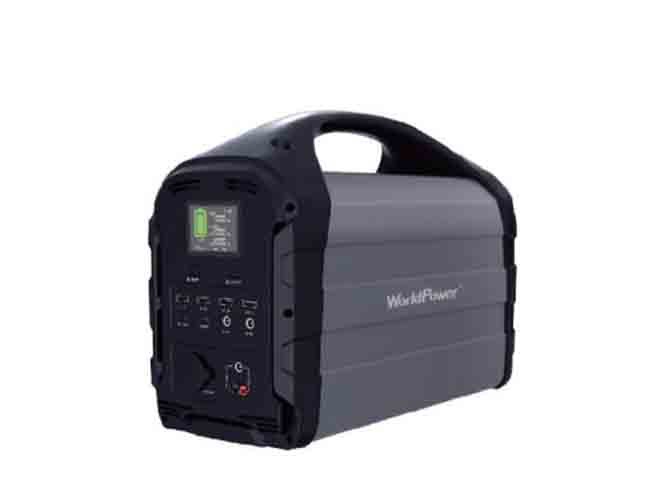

1. Capacity
Capacity is one of the main measures of the performance of a portable power station. It refers to the amount of energy the station can store or produce. Capacity is measured in watt-hours (Wh) or kilowatt-hours (kWh). This measurement tells you how much power the station can supply for a given length of time. A higher capacity means a bigger amount of stored power.
For example, a battery with a capacity of 1,000 Wh can store 1,000 watts of power for one hour, 100 watts for ten hours, and so on.
2. Power Output
Power output is the second main measure of the performance of a portable power station. It refers to the speed at which the station supplies power. Power output is measured in watts (W) or kilowatts (kW). This measurement tells you how much power the station can supply at any given moment. Having a higher power output means the station can provide energy to more items at once and charge at a faster rate.
For example, a battery with a power output of 10,000 W can supply 10,000 watts of power at any given moment.
3. Solar Charging
Solar charging portable power stations convert sunlight into stored electrical energy. Most solar charging power stations also have the ability to charge via a traditional electrical outlet. This ensures you can charge your station even on cloudy days.
Solar charging power stations are great for outdoor activities or emergency situations where access to traditional power sources may be limited. They provide a reliable and sustainable source of power that is environmentally friendly and helps you to reduce your carbon footprint. Depending on their power output, they can be used to power a variety of devices, from small electronics to larger appliances.
What Is an Electric Portable Power Station
Electric portable power stations are powered by electricity. This can come from wall outlets or solar panels. Electric portable power stations are an alternative to gasoline or diesel-powered generators and offer a more reliable and quieter source of power.
What Is a Hybrid Portable Power Station
Hybrid power stations can be charged via a wall outlet or a solar panel. They offer the flexibility to charge the battery using different sources of power.
4. Expansion Batteries
Expansion batteries are additional batteries that can be added to your portable power station to increase its overall capacity and run time. They work by connecting to the power station via a special connector and drawing power from the power station's internal battery to charge themselves.
The main benefit of expansion batteries is that they allow you to increase the amount of energy storage available without having to purchase a new power station. This can be particularly useful for those who need to power larger devices or for longer periods of time.
Expansion batteries come in a variety of sizes and capacities, and the compatibility and availability of expansion batteries can vary depending on the specific brand and model of the portable power station. It is important to check the manufacturer's specifications to ensure that the expansion battery you choose is compatible with your power station.
5. Weight and Portability
The weight of a power station is typically determined by the size of its battery and the components needed to support its electrical output and charging capabilities. Generally speaking, larger capacity power stations tend to be heavier and less portable than smaller capacity ones.
Most portable power stations are designed to be easily carried by hand, with features such as built-in handles or carrying cases to make transportation easier. Some models may also feature wheels or other accessories to make them easier to move around.
6. Additional Features
Many portable power stations include additional features. These can increase the power output, improve the usability of the power station, or increase the charging potential of the station.
Here are some of the most common additional features:
Inverter upgrades: Upgraded inverters allow for higher power output or more efficient energy conversion.
App, Bluetooth, or Wi-Fi connectivity: A smartphone app and built-in Bluetooth or Wi-Fi connectivity allows you to monitor and control the power station.
LED lights: Built-in LED lights can be useful for illuminating a camping site or other outdoor area.
Multiple charging ports: Having several USB or AC outlets allows you to charge and power multiple devices simultaneously.
Car charging adapter: a car charging adapter allows you to charge the power station using your car's cigarette lighter.
7. Budget
In general, the larger the power station, the more expensive it is. Choosing a portable power station comes down to a balance of affordability and your power needs. Consider your power needs and required features before researching the market and finding potential options.
How Does A Portable Power Station Work
A portable power station works just like a backup generator, but it is smaller and easier to use. A portable power station has an inverter that takes the standard AC current from the battery and changes it into DC (direct current) so you can plug in equipment such as lights or appliances without worrying about blowing fuses.
Portable Power Stations are very easy to start and use. All you need to do is press the power button, connect your appliances, and let the portable power station run in order to charge its battery.

Portable Power Station vs. Power Bank: Which One to Choose
When it comes to choosing between a portable power station and a power bank, the decision largely depends on your specific needs and circumstances. Both devices offer the convenience of portable power, but they differ in capacity, versatility, and the types of devices they can charge. Let's break down the key differences:
Conclusion
In conclusion, choosing between a portable power station and a power bank depends on your specific needs. If you're going to be off the grid for an extended period and need to power larger devices, such as a camping refrigerator or a power tool, a portable power station will be a better option due to its higher capacity and multiple output options. But if you need to keep your phone or tablet charged when you're on the go, a power bank will be more practical due to its smaller size and easier portability. Additionally, power banks are usually more affordable than portable power stations, and they are a popular choice for everyday use. Ultimately, the decision depends on your specific needs and budget, but either option will allow you to stay connected and keep your devices charged when you're away from a power source.
Capacity and Power Output
Portable Power Station: These devices typically have a higher capacity and can power larger devices such as mini-fridges, microwaves, cameras, and some medical appliances. This makes them an excellent choice for camping trips, power outages, or any situation where you might need to power larger devices or multiple small devices for an extended period.
Power Bank: Power banks are generally smaller and designed primarily for charging smaller gadgets like smartphones, tablets, and laptops.
Portability and Convenience
Portable Power Station: While portable power stations are designed to be transportable, they are usually larger and heavier than power banks due to their higher capacity.
Power Bank: Power banks are generally smaller, more lightweight, and more portable than power stations. They are easy to slip into a bag or even a pocket, making them ideal for travel or long commutes.
Charging Method
Portable Power Station: These devices often offer more flexibility in charging methods. They can be charged via a wall outlet, car charger, or even solar panels.
Power Bank: Power banks are typically charged via a USB connection to computers or power strips.
Cost
Portable Power Station: These devices are generally more expensive upfront than power banks. However, if you frequently need to power larger devices or multiple devices at once, or you need to go off-grid for days, a portable power station could be a worthwhile investment.
Power Bank: Power banks are generally less expensive and are a cost-effective solution for keeping your devices charged on the go.
Types of portable power stations
Portable power stations can be divided into three categories based on the methods they use to collect and store energy, namely electricity, gas, and solar.
Electrical
Electric portable power stations are also called battery portable power stations because they work like larger batteries. Simply plug the portable power supply into a wall outlet at home and you can quickly charge it. These power stations can also choose to use the power socket in the vehicle to charge, provided they have the correct adapter. Use this socket to charge the battery, but it takes longer than using a standard socket.
This type of power station is most commonly used for indoor use and low power requirements, such as charging mobile phones or flashlights.
Some products can even be equipped with compatible solar panels so that they can also be charged by solar energy. This is a combination of the two, which is more reliable than a single type.
Gas-powered
Please note that this type of portable power station is usually the heaviest and may be equipped with a set of wheels, so you do not have to carry it. Gas generators cannot be used in your home or tent because they produce carbon monoxide and other harmful exhaust gases as a by-product of burning fuel.
However, these portable power stations are the most powerful options available. They can be used with power tools, electric pumps, and even portable dishwashers, allowing you to enjoy outdoor activities as comfortably at home.
Solar
If you mainly use portable power stations for camping, it is beneficial to have a solar portable power station that can charge during the day while you enjoy the sun. At night, your generator will be ready to provide electricity for several hours.
In the past, solar power stations could only use sunlight for charging, which greatly limited their reliability. However, manufacturers have begun to combine solar energy and portable electric power stations, giving you the option of using traditional power sockets, vehicle power sockets, or removable solar panels for charging. Steadily, this hybrid concept has become the most common portable power station, and few power stations can only provide solar or electricity.
Material of Portable Power Station
Plastic
Many portable power stations are made of plastic, which is lightweight and durable, making it a good choice for those looking for a cost-effective power station.
Aluminum
Aluminum is also commonly used for portable power stations due to its lightweight and sturdy build. It is also more durable than plastic and can withstand harsher conditions.
Stainless steel
This is another popular material used for portable power stations, primarily due to its rust-resistant properties and durability.
Lithium-ion battery cells
These are the internal components that store energy in the power station, and they are typically made from lithium-ion technology due to their high energy density and long life.
The Top 8 Ways Portable Power Systems are Used
Capable of simultaneously powering several electrical devices to carry out many tasks, a portable power system is ideal for a multitude of applications:
AT HOME
During power outages, it can power lights, alarm systems, garage doors, computers, printers, televisions,radios, CD/DVD players medical devices, mobile/cordless phones, fans, sump pumps, fish-tank lights/pumps, etc.
In a manufacturing plant or distribution center
It can power computers for remote data entry/retrieval in addition to devices such as barcode scanners and label printers for quality control, stocking, order-picking, shipping, receiving, etc.
In retail
A portable power system can power computers and other devices to facilitate inventory management and labeling; LED signage; and electronic cash registers and creditcard processors for ‘line-busting’ and for sidewalk sales, garden centers, etc.
At outdoor events
At events such as weddings, reunions, concerts, fairs, graduations, retreats, rallies, etc., it can power amplifiers, lights, LED signage, etc.
In an office
A portable power system can power computers, printers, mobile/cordless phones, photocopiers, etc.
In transportation
It can power mobile kiosks for ticket printing, baggage checking, passenger screening, etc.
In education
In classrooms, auditoriums, amphitheaters, etc. audio-visual equipment can be powered by a PPP.
Personal recreation
It can power electric grills, lights, and CD players for tailgating, beach parties, camping, etc.
What is the difference between a Portable Power Station and a Power Bank
A Power Station always has one or more AC outputs, and a larger battery to connect all kinds of (heavier) devices. Because of this, Power Stations are larger in size, compared to normal Power Banks. These are mainly focused on portability and are more suitable for day trips or travel by air.
A Portable Power Station has many more practical applications. For example, you can use it as an extra battery during a camping trip in the countryside or during a weekend trip with your motorhome or caravan. When you combine the Power Station with a solar panel, you can even go off-grid for a while.
The time it takes to charge a portable power station with solar panels can vary depending on several factors:
Solar panel wattage: The wattage of the solar panels will determine the amount of power they can generate. Higher wattage panels can generate more power and charge the power station faster.
Sunlight intensity
The intensity of sunlight can vary depending on factors such as weather conditions, time of day, and geographical location. Direct sunlight with high intensity will charge the power station faster compared to cloudy or low-light conditions.
Battery capacity
The capacity of the portable power station's battery will also affect the charging time. A larger battery capacity will require more time to charge fully.
Charging efficiency
The efficiency of the solar panels and the power station's charging circuitry can impact the charging time. Higher efficiency will result in faster charging.
As a rough estimate, it can take anywhere from a few hours to a full day to charge a portable power station using solar panels. However, it's important to note that this is a general estimate, and the actual charging time can vary based on the factors mentioned above.
Shenzhen World New Power Co., Ltd. is a high-tech enterprise focusing on the research and development and innovation of new energy lithium-ion batteries and energy storage technology. It is committed to building a lithium battery module, outdoor energy storage, home energy storage, and emergency power supply. A global lithium battery and mobile energy storage brand used in other fields.

FAQ
We're professional portable power station manufacturers and suppliers in China, specialized in providing high quality products and service. We warmly welcome you to buy portable power station for sale here from our factory. For price consultation, contact us.
Portable Outdoor Power Station, 48V 100Ah Wall mounted LifePO4 Battery, Solar Power Station