How Are Solar Cells And Batteries Similar in Function?
Solar cells and batteries share several functional similarities, despite being different technologies used for energy conversion and storage. Here's how they are similar:
1.Energy Conversion:
Solar Cells: Convert sunlight (solar energy) into electrical energy using the photovoltaic effect.
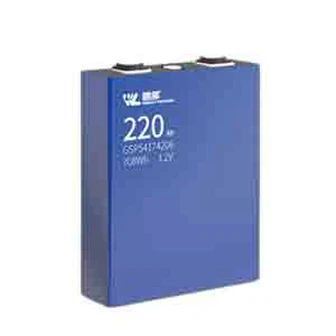
Batteries: Convert chemical energy stored in their cells into electrical energy through electrochemical reactions.
2.Electrical Energy Production:
Both solar cells and batteries produce direct current (DC) electricity, which can be used to power electronic devices, stored in batteries, or converted to alternating current (AC) for use in homes and businesses.
3.Role in Energy Systems:
Solar Cells: Generate electricity from sunlight, often used in conjunction with batteries in solar power systems.
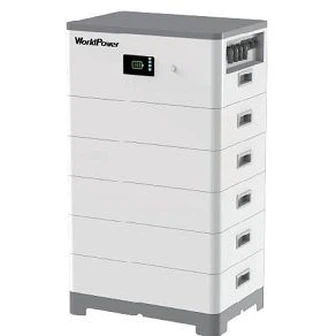
Batteries: Store electrical energy produced by solar cells or other sources for later use, providing a steady supply of electricity even when sunlight is not available.
4.Component of Renewable Energy Systems:
Both are integral to renewable energy systems: solar cells generate clean energy, and batteries store it for use when generation is low (e.g., at night or during cloudy weather).
5.Scalability:
Both can be scaled up to meet various energy needs, from small portable devices to large-scale power grids.
6.Materials and Technology:
Both technologies involve advanced materials science. Solar cells use semiconductor materials like silicon, while batteries use materials like lithium, cobalt, and nickel for their electrodes and electrolytes.
In summary, while solar cells and batteries operate on different principles (photovoltaic effect vs. electrochemical reactions), they are functionally similar in that they both deal with the conversion and management of electrical energy. Solar cells generate electricity from sunlight, and batteries store and supply that electricity as needed.